Spunlace vs. Spunbond: Choosing the Right Fabric
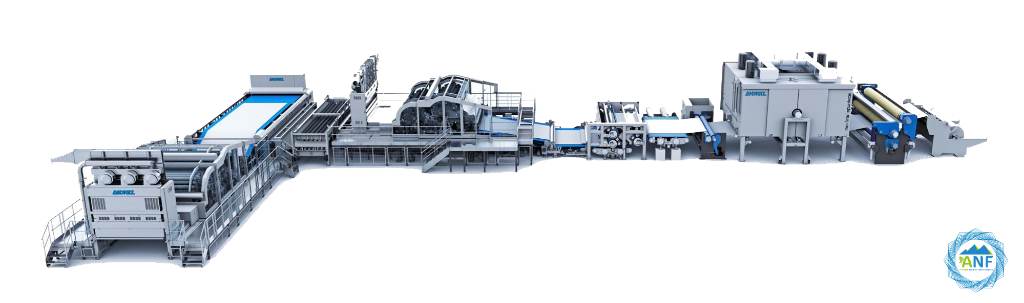
When selecting a non-woven fabric for your production line, the manufacturing process plays a decisive role in the final material's properties — from softness and absorbency to tensile strength and cost.
Spunlace (Hydroentanglement)
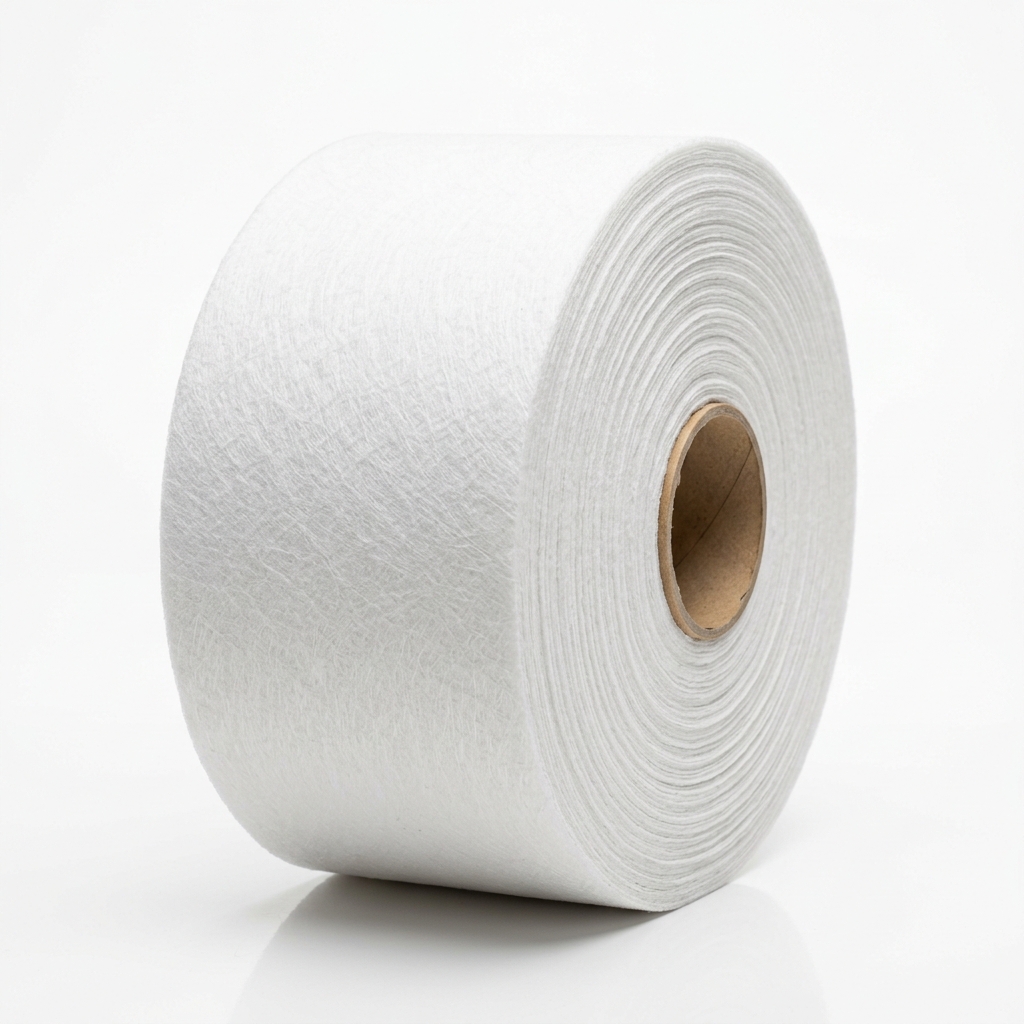
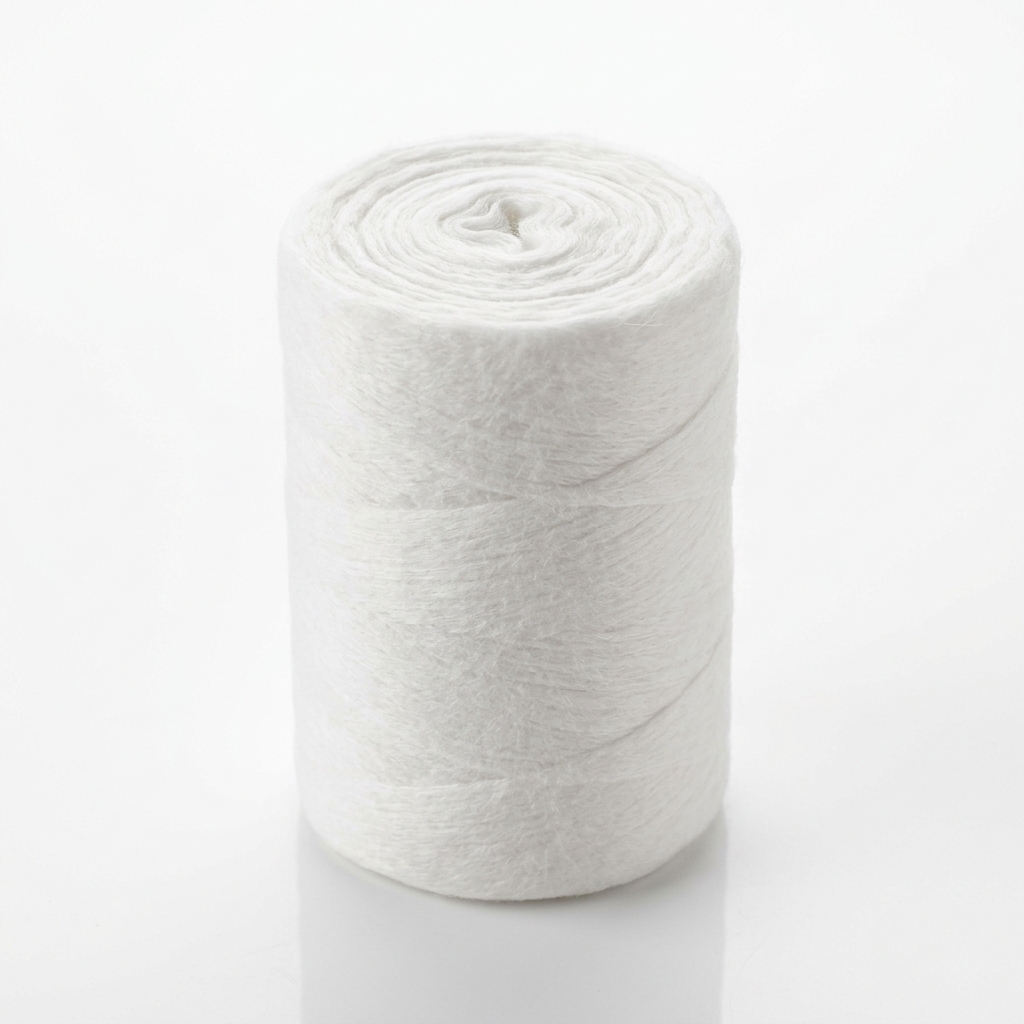
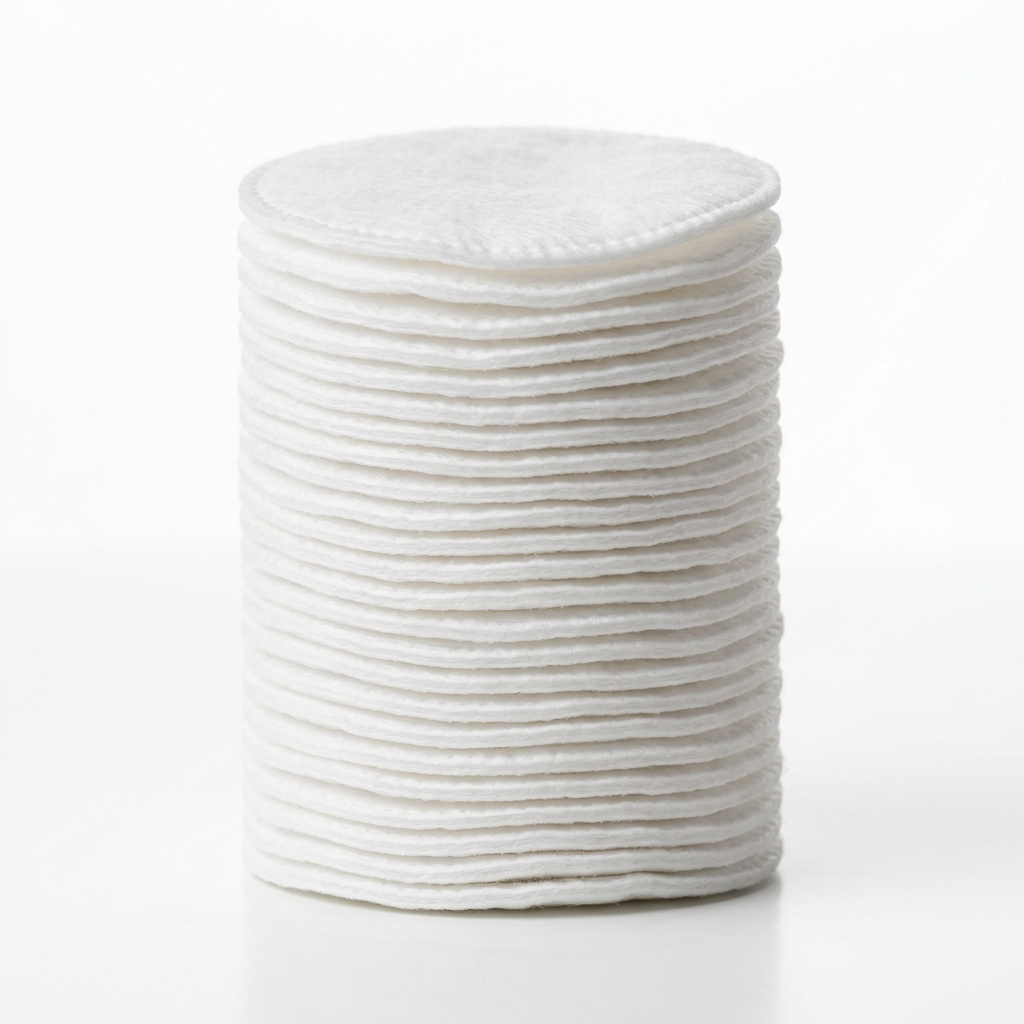
Spunlace uses high-pressure water jets to entangle fibers mechanically, without any binders — producing a soft, highly absorbent, cloth-like fabric. That makes it the ideal choice for wet wipes, personal-care products, and medical applications.
Key takeaway: if softness and absorbency are the priority, spunlace is the better fit for your product.
Spunbond (Continuous Extrusion)
Spunbond melts and extrudes polymer into continuous filaments that are thermally bonded, yielding a fabric with high tensile strength and excellent cost-efficiency. It is best suited to bags, agricultural covers, and industrial applications that demand durability.
How to Choose
In short: choose spunlace for softness and absorbency, and spunbond for durability and economy. Because ANF manufactures both locally in Egypt, our technical team can help you pin down the exact specification for your application.
Interested in this material?
Talk to our technical team about specifications, samples, and pricing tailored to your production line.